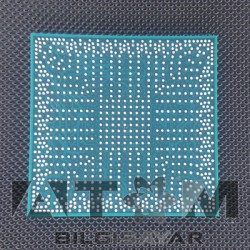
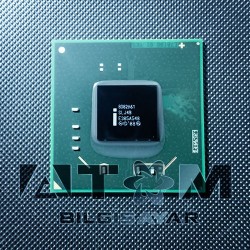
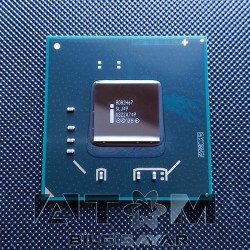
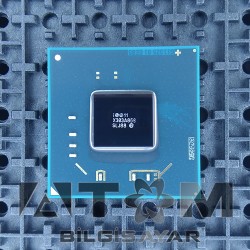
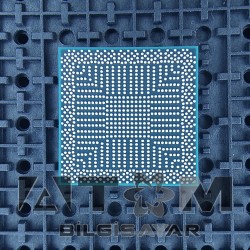
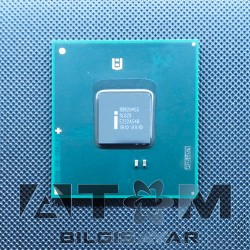
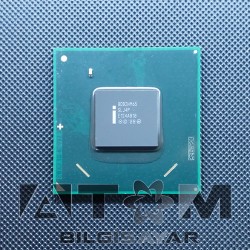
Intel North / South Bridge PCH Chipset
The southbridge is one of two chips in the core logic chipset on older personal computer (PC) motherboards; The other one is the north bridge. As of 2023 , most personal computing devices no longer use a set of two chips and instead have a single chip acting as a "chipset"; such as Intel s Z790 chipset.
The southbridge typically implements the slower capabilities of the motherboard in the chipset computer architecture compared to other chipsets. While on systems with Intel chipsets, the south bridge is called I/O Controller Hub (ICH), AMD has called the south bridge Fusion Controller Hub (FCH) since the introduction of the Fusion Accelerated Processing Unit (APU), thus moving the North bridge functions to the CPU chip. made it similar in function to the Platform hub controller.
The southbridge can be distinguished from the northbridge in that it is generally not directly connected to the CPU. On the contrary, the north bridge connects the south bridge to the CPU. By using controller integrated channel circuitry, the northbridge can connect signals from I/O units directly to the CPU for data control and access.
In the Intel PCH series, the southern view was replaced by chipsets such as HM55 and HM65. In this chipset, the integrated graphics unit was completely integrated into the processor. With the launch of Intel's U series processors, PCH has been completely removed from economical computers and incorporated into the CPU, and motherboards no longer have any extra PCH, north or south, other than a single processor. As technology develops, PCHs continue to be supplied with processors. In fact, while H performance processors are used in Gaming notebook computers, in short, in computers where performance is required, the PCH series continues to be run.
All trademarks mentioned belong to their owners, third party brands, product names, trade names, corporate names and company names mentioned may be trademarks of their respective owners or registered trademarks of other companies and are used for purposes of explanation and to the owner s benefit, without implying a violation of copyright law.